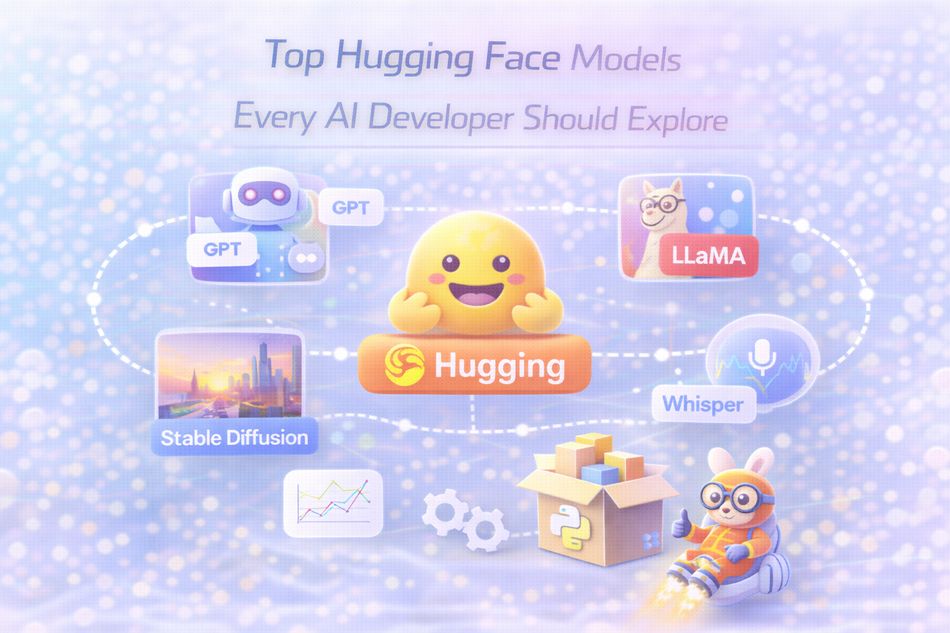
Posted inHugging Face Top Hugging Face Models Every AI Developer Should Explore Posted by admin March 6, 2026 Hugging Face has become one of the central platforms in the open AI ecosystem. It…
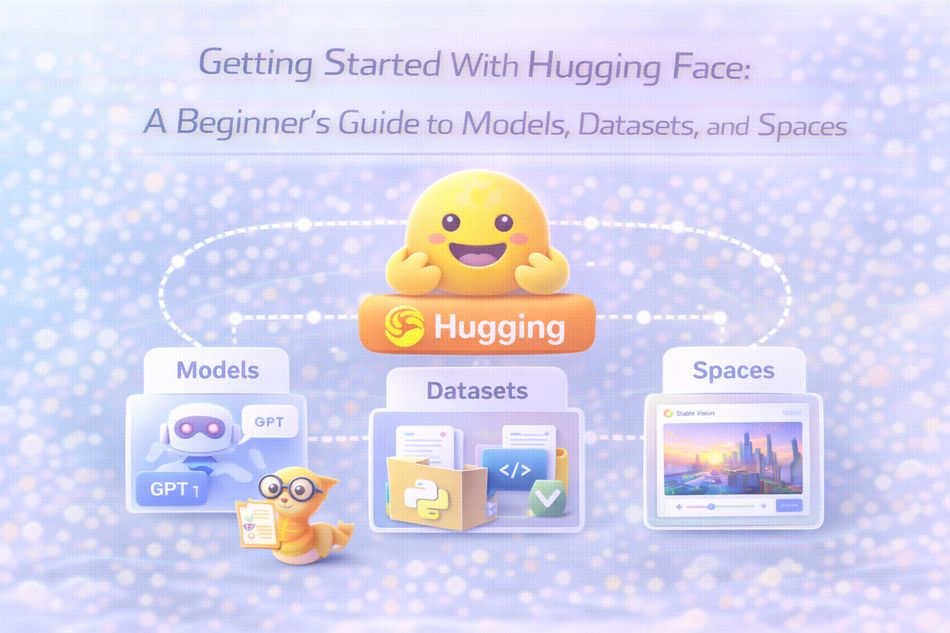
Posted inHugging Face Getting Started With Hugging Face: A Beginner’s Guide to Models, Datasets, and Spaces Posted by admin March 6, 2026 Hugging Face has become one of the central platforms in the open AI ecosystem. It…
Posted inAgents The Risks and Opportunities of Autonomous AI Agents in Real Life Posted by admin March 6, 2026 AI agents are systems that do more than answer a prompt. They can plan, decide…
Posted inAgents Building Simple AI Agents for Automation With Python Posted by admin March 6, 2026 AI agents are systems that do more than answer a prompt. They can plan, decide…
Posted inAgents How AI Agents Plan, Reason, and Use Tools to Complete Tasks Posted by admin March 6, 2026 AI agents are systems that do more than answer a prompt. They can plan, decide…
Posted inAgents Single-Agent vs Multi-Agent Systems: Key Differences and Use Cases Posted by admin March 6, 2026 AI agents are systems that do more than answer a prompt. They can plan, decide…
Posted inAgents What Are AI Agents? Understanding the Next Step Beyond Chatbots Posted by admin March 6, 2026 AI agents are systems that do more than answer a prompt. They can plan, decide…
Posted inRAG Best Practices for Chunking, Embeddings, and Retrieval in RAG Systems Posted by admin March 6, 2026 Retrieval-Augmented Generation, usually called RAG, is an approach in which a model answers questions using…
Posted inRAG RAG vs Fine-Tuning: Which One Should You Choose for Your AI Application? Posted by admin March 6, 2026 Retrieval-Augmented Generation, usually called RAG, is an approach in which a model answers questions using…
Posted inRAG How to Build a Simple RAG Pipeline Using Python and Vector Databases Posted by admin March 6, 2026 Retrieval-Augmented Generation, usually called RAG, is an approach in which a model answers questions using…